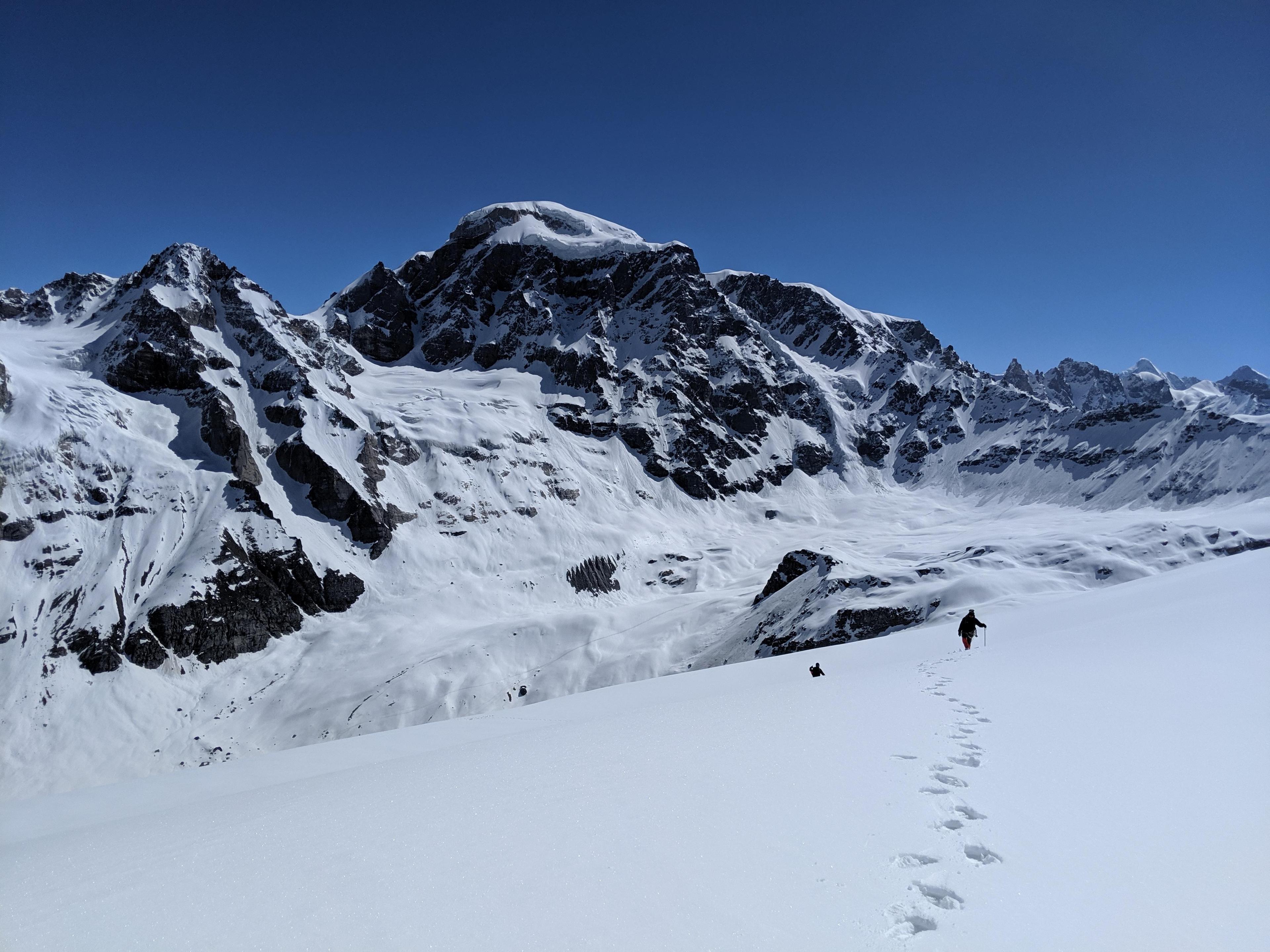
High meadows, a skyline of giants and a glacial lake wrapped in legend. A photo journey to one of the Himalaya's most storied trails.
Roopkund is the rare trek that earns its reputation twice over — once for the walking, through the vast rolling meadows of Ali and Bedni Bugyal, and once for the mystery of the lake itself, where hundreds of ancient human skeletons rest beneath the ice, their origins still argued over by scientists a century after they were found.
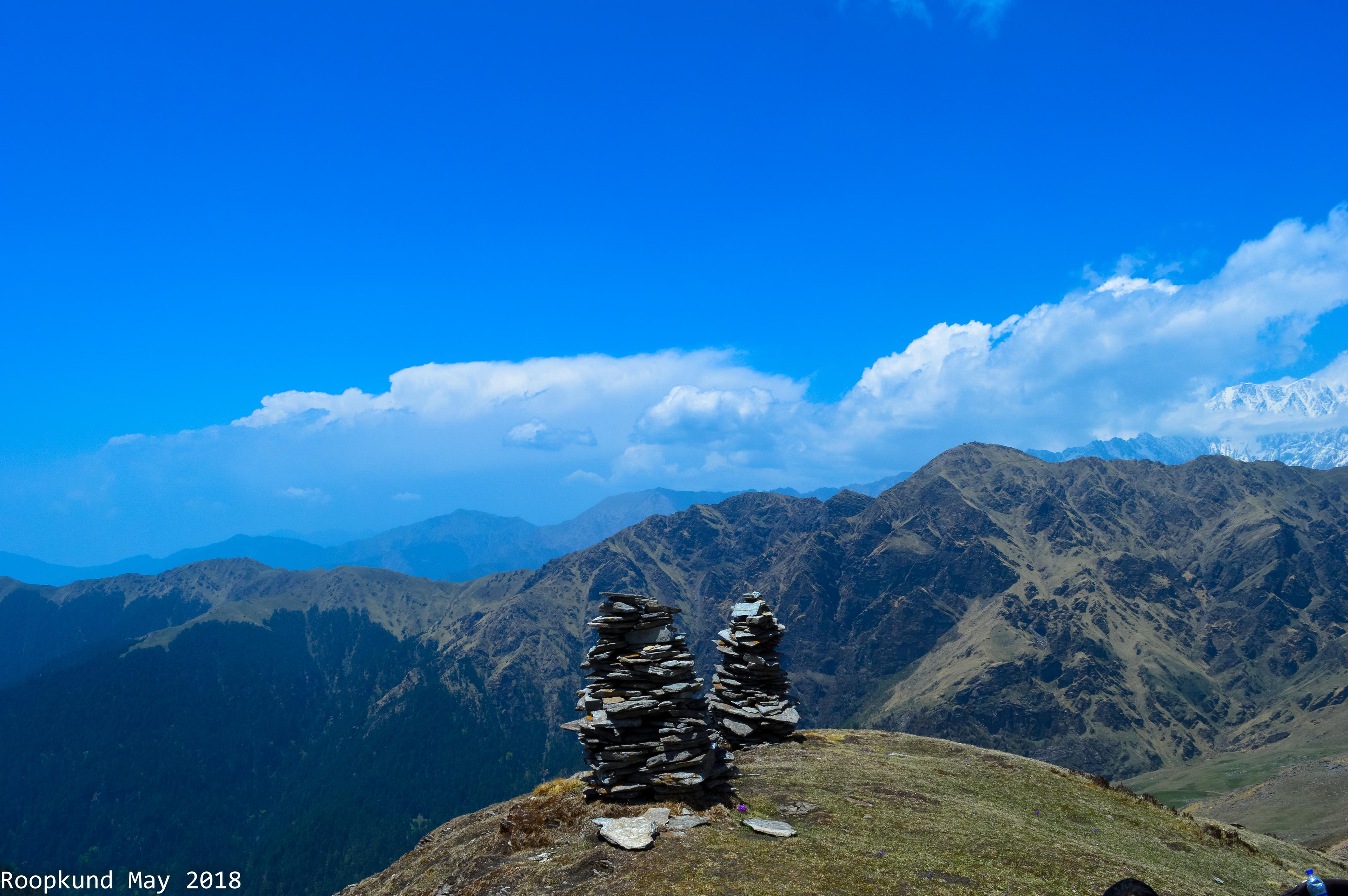
But you do not come only for the puzzle. You come for the bugyals — the high alpine meadows that give the Roopkund trail its character. Wide, tilting seas of grass at eleven and twelve thousand feet, grazed by shepherds in summer, ringed by a skyline of giants. On a clear evening at Bedni, with Trishul and Nanda Ghunti turning pink above the tents, it is hard to think of a finer place to be on foot.

The trek builds slowly and deliberately, which is exactly how a route to sixteen thousand feet should be. From Lohajung you climb through forest to Didna, out onto the meadows at Ali and Bedni, and higher still to Patar Nachauni and Bhagwabasa — each camp a little colder, a little thinner on air, a little closer to the snowline.
To the lake
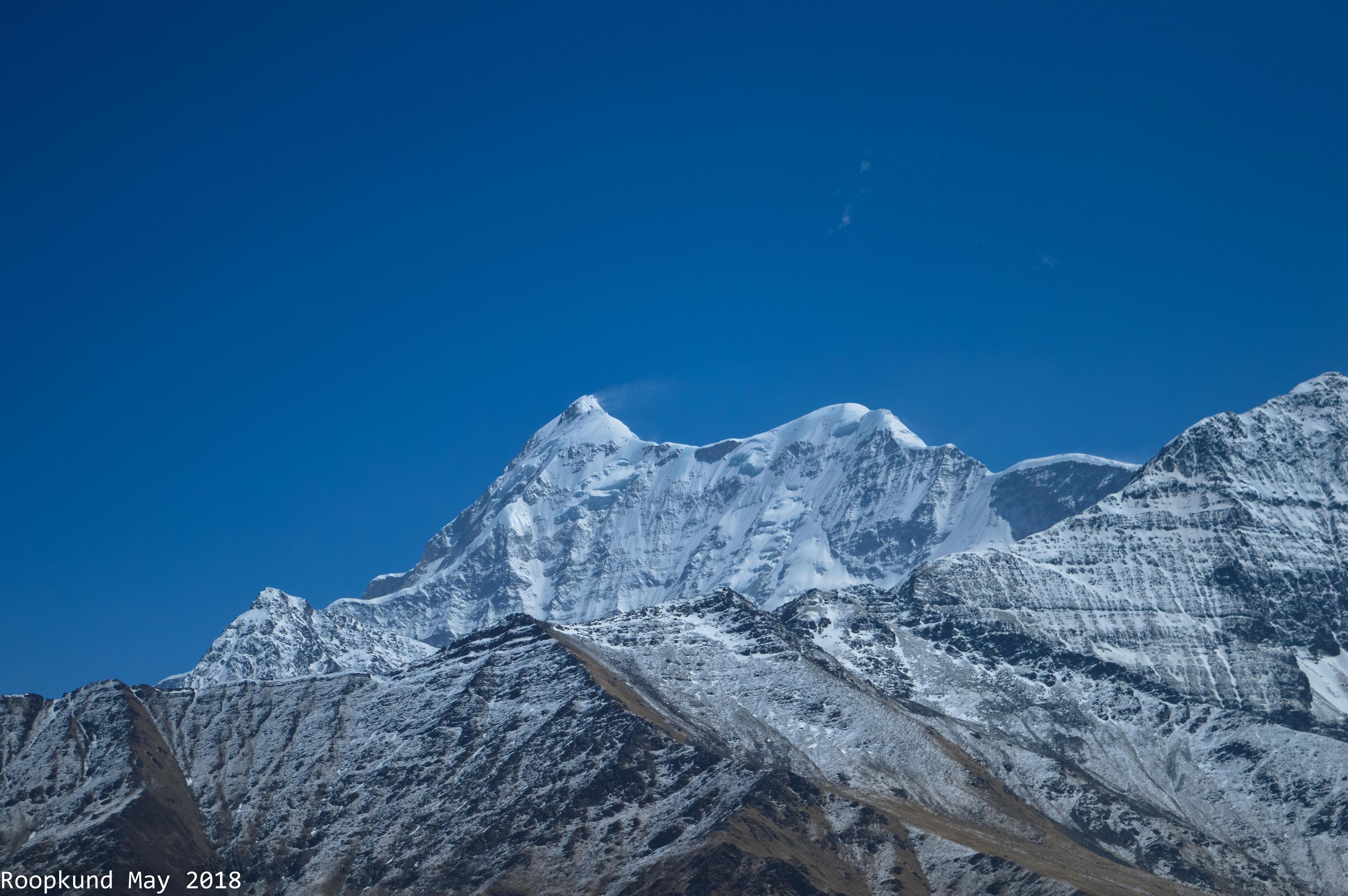
The summit day is long and starts in the dark. The final climb to Roopkund is steep and unrelenting, the air thin enough that you count your steps between rests, but the payoff is immediate and complete — a small glacial tarn cupped in the rock, half-frozen even in season, with the huge west face of Trishul filling the sky above it.
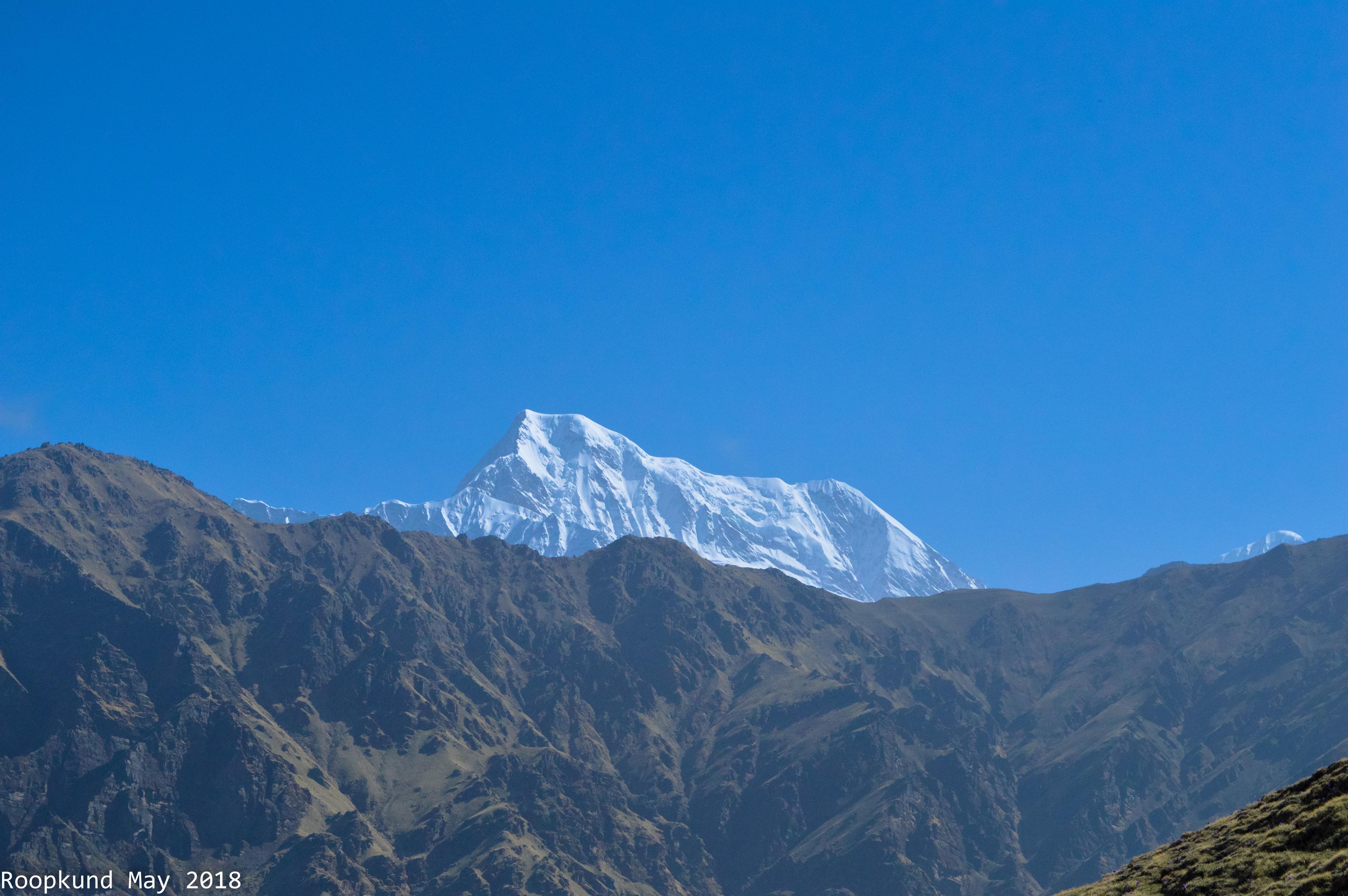
Those willing to go a little further push up to Junargali, the notch on the ridge just above the lake, for a view down the far side that most people never see. It is a quiet, humbling place to reach under your own power — a reminder of why we walk into these mountains rather than merely look at them.