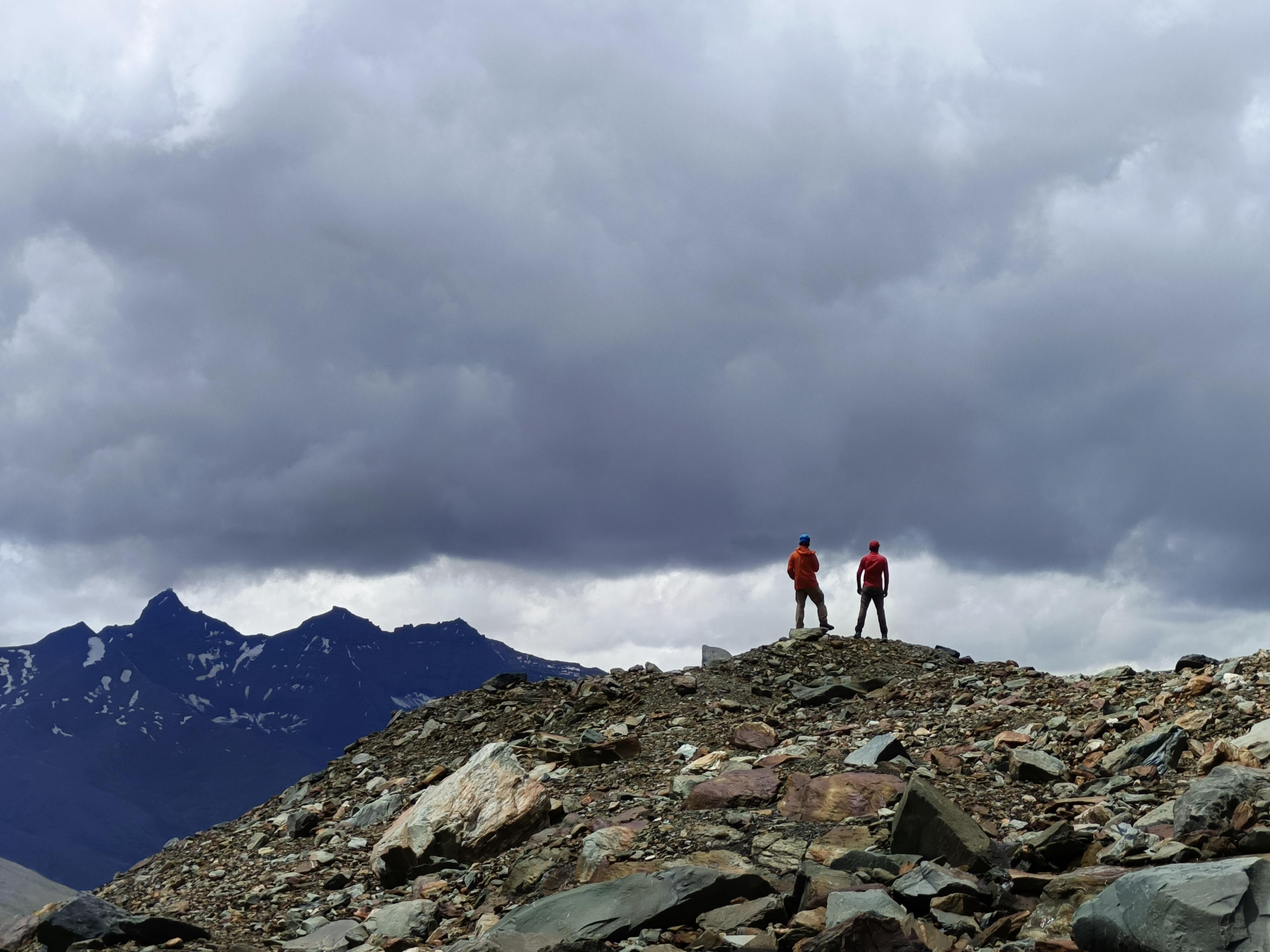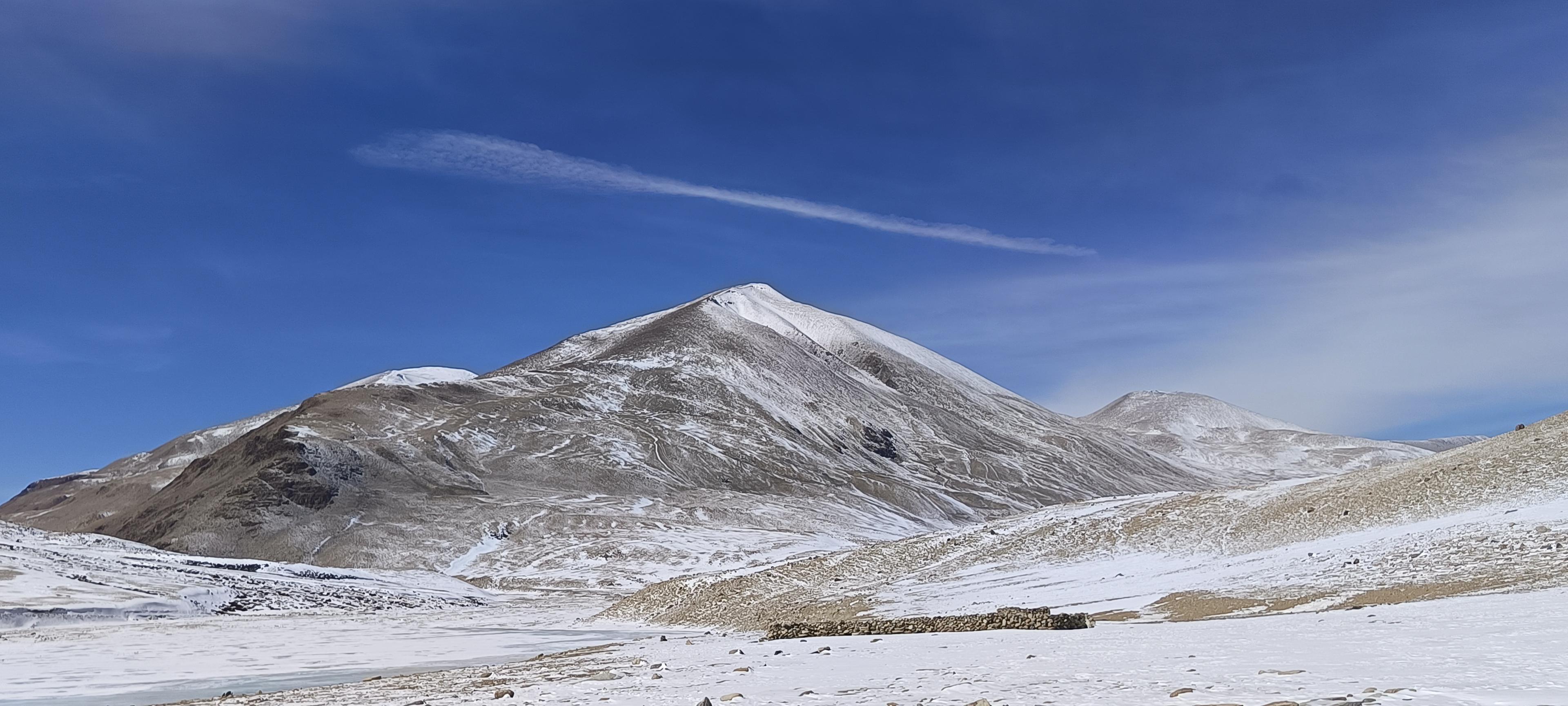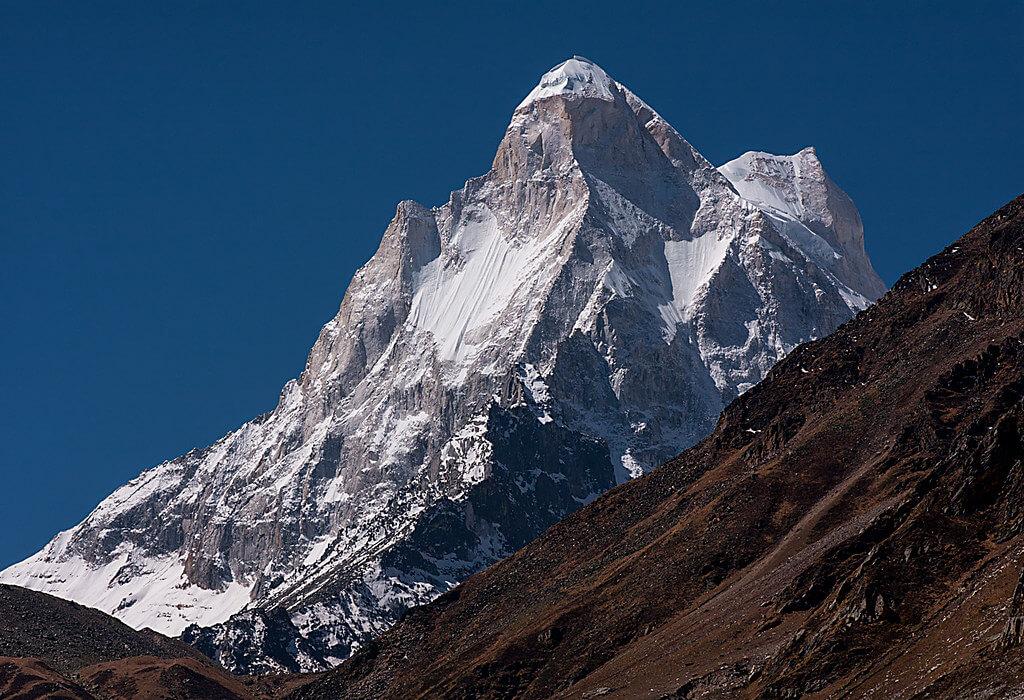
There is a defining line in alpine mountaineering where recreational trekking ends and serious expedition craft begins. For most climbers, that line is drawn right at 6,000 meters (19,685 ft). Cross into 7,000 meters (22,965 ft), and the rules of engagement change entirely.
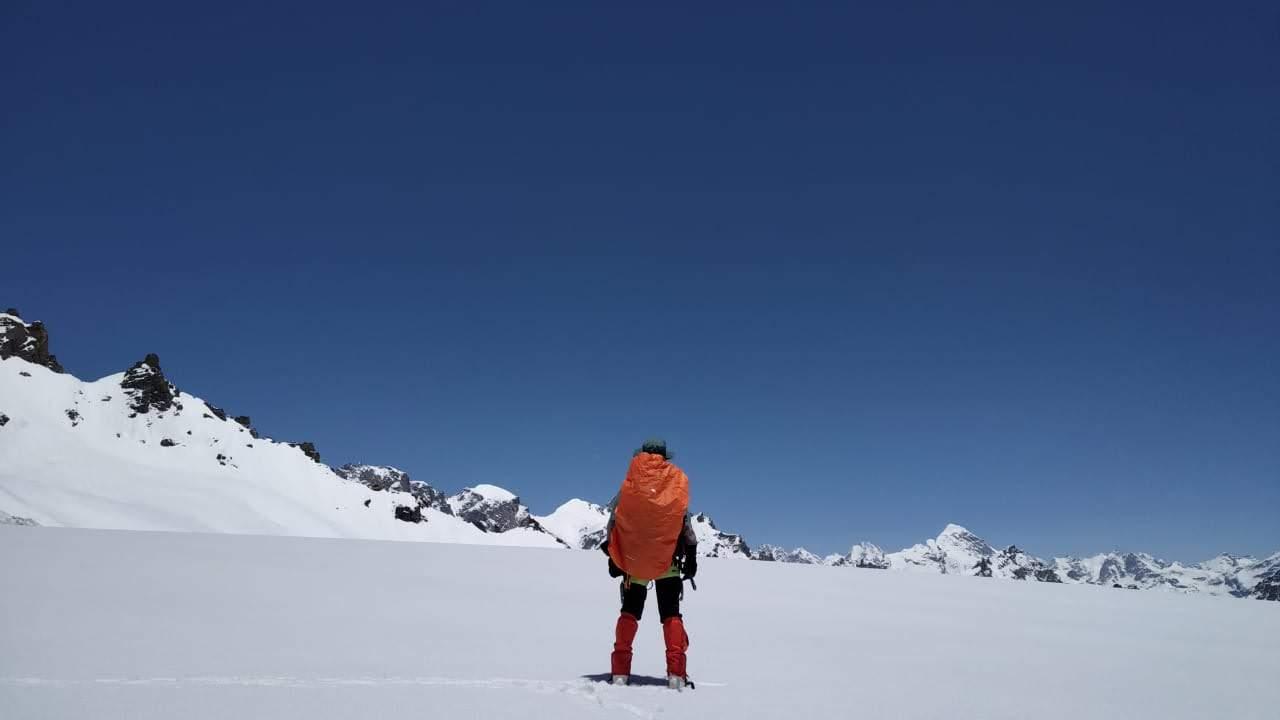
At 6,000m—on peaks like Kang Yatse II, Black Peak (Kalanag), Deo Tibba, CB 13, Bhagirathi II, or Mt. Kiagar Ri—your body is operating on half the effective oxygen of sea level. At 7,000m—on giants like Nun, Kun, Satopanth, or Trisul—you are hovering just below the biological death zone. Up here, wind speeds double, temperatures crater, and the margin for error collapses to zero. When you step into this arena, who you climb with matters as much as your training. Here is a clear breakdown of what 6,000m and 7,000m expeditions actually demand, and how Frontpoint Adventures differs from large-scale commercial operators.
1. 6,000m vs. 7,000m: The Exponential Jump in Risk
Many trekkers assume that climbing a 7,000m peak is simply "a 6,000m climb with an extra 1,000 meters tacked on." That assumption is one of the most dangerous misconceptions in mountaineering. [ 7,000m EXPEDITIONS: HIGH ALPINE / EXPEDITION PROTOCOL] • Rotational acclimatization cycles (Base Camp ↔ Camp 1 ↔ Camp 2) • High guide ratio (1:1 or 1:2 on summit day) • Fixed lines on 50°–65° ice/hard snow, crevasse rescue setups • Multi-week tactical endurance, high-altitude nutrition ▲ [ 6,000m EXPEDITIONS: SEMI-TECHNICAL / INTRODUCTORY PEAKS] • Linear / staged acclimatization profiles • Microspikes/crampons, basic fixed-line or rope-team travel • 1 to 2 high camps before summit push • High cold tolerance, Zone 2 aerobic base
The 6,000-Meter Arena
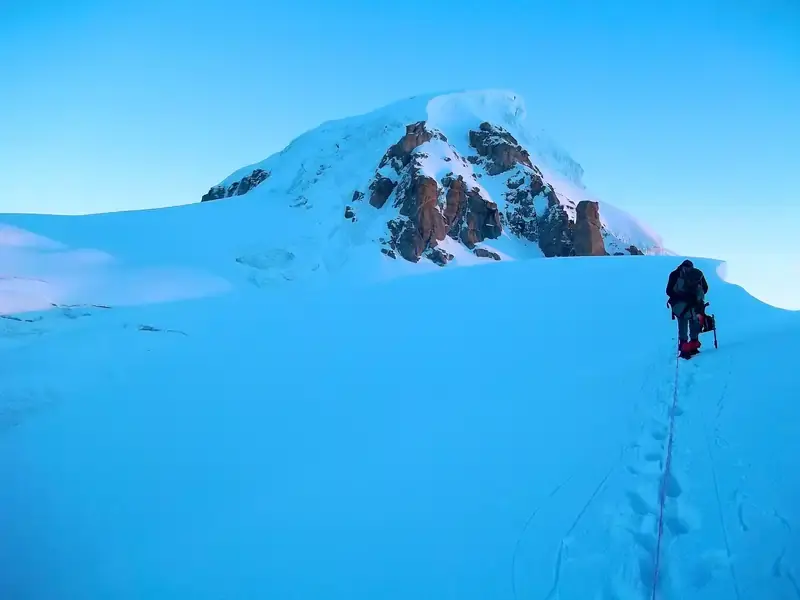
• Physiological Load: Atmospheric pressure sits around 48% to 50% of sea level. Headache, nausea, and rapid exhaustion will punish anyone with rushed acclimatization. • Technicality: Typically involves glacier approaches, moraine navigation, verglas, hard-pack snow ridges, and short sections of fixed rope (35° to 45° slopes). • Commitment: Usually 7 to 12 days. Success hinges on a solid cardiovascular engine, steady pacing, and cold-weather discipline.
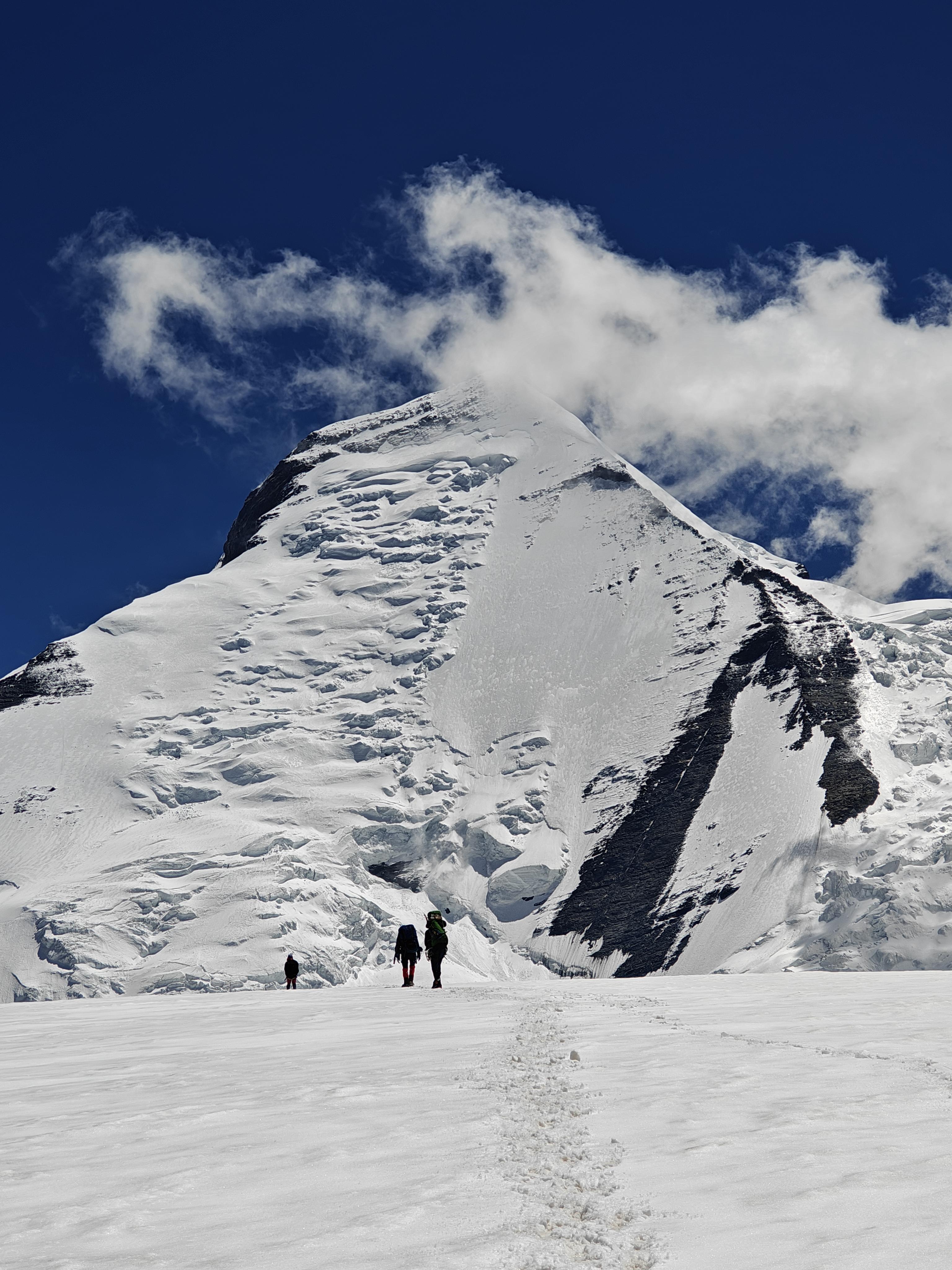
The 7,000-Meter Crucible
• Physiological Load: At 7,000m, barometric pressure drops to roughly 40% of sea level. The body cannot sustainably adapt above 6,000m; it is actively degrading. Every hour spent above Camp 2 drains muscle mass and energy reserves. • Technicality: Full expedition alpine style. You face complex crevasse fields, vertical blue ice walls, bergschrund crossings, and narrow knife-edge ridges that require jumaring, ice screw placement, and controlled rappels under gale-force gusts. • Logistics & Strategy: Requires a rotational load-ferrying schedule ("climb high, sleep low" between Base Camp, Camp 1, and Camp 2) over 20 to 25 days, plus dedicated weather-window forecasting.
2. Frontpoint Adventures vs. Commercial Mass Operators
In high-altitude mountaineering, the operating philosophy of an agency dictates your safety and summit chances far more than glossy gear or marketing claims. When choosing who to rope up with on 6,000m and 7,000m peaks, the difference between mass commercial operators and an alpine-first outfit like Frontpoint Adventures comes down to how expeditions are actually led, managed, and executed on the mountain. Most commercial agencies run on a volume-first business model. They herd oversized batches of fifteen to twenty-five climbers onto a single ridge, creating severe bottlenecks on technical crux moves and forcing climbers with wildly different fitness profiles into a rigid, singular pace. Because their guide-to-client ratios sit as thin as one guide for every five or six climbers, anyone struggling with cold or exhaustion is left trailing behind without dedicated oversight. These operators frequently hire unvetted seasonal freelance leaders to manage the crowd, compress the itinerary to cut basecamp provisioning costs, and treat pulse oximeter readings as occasional photo-ops rather than active diagnostic protocols. When summit day arrives, if weather deteriorates or a climber drops out, the lack of backup leaders and contingency days means the entire group's chances are compromised. Frontpoint Adventures approaches high-altitude climbing from an uncompromising expedition craft perspective. We strictly cap our departures to small-batch squads of six to eight climbers. On 6,000m ascents, we deploy dedicated one-to-two or one-to-three guide ratios, tightening to one-to-one or one-to-two on critical 7,000m summit pushes so that every climber has a dedicated mountain professional watching their footwork, breathing, and mental state. Our expedition leaders are certified mountaineers from national institutes like NIM, HMI, and ABVIMAS who operate under strict UIAGM alpine mentorship standards. Instead of rushing clients up the mountain to save logistical overhead, our itineraries are deliberately built around conservative acclimatization curves and dedicated summit buffer days. We run twice-daily medical logs tracking resting heart rates and blood oxygen saturation, carry comprehensive emergency hardware—including supplemental medical oxygen and pre-mapped evacuation chains—and equip our high-altitude support teams with the exact same technical gear and insurance as our lead guides. Most importantly, we do not treat climbers as passive clients being dragged up a mountain on someone else's coat-tails. We actively mentor you in rope handling, crampon movement, and terrain assessment, fostering genuine alpine self-reliance while maintaining an unyielding Leave No Trace ethic from Base Camp to the summit ridge.
3. How We Run 6000m Peaks: Skill Over Shortcuts
For peaks like Mt. Deotibba (6001 m) or Kang Yatse II (6,250 m), big commercial operators frequently market them as "easy beginner treks" to maximize bookings. At Frontpoint Adventures, we reject that framing. There is no such thing as an "easy" 6,000m peak. 1. Pre-Climb Gear & Crampon Tuning: Before leaving basecamp, our leaders run hands-on technical sessions covering crampon fitting, walking on variable terrain (French and American techniques), self-arrest with an ice axe, and roped-team coordination. 2. Controlled Summit Day Pacing: Our leaders enforce a steady "rest-step" cadence. In large commercial groups, fast hikers sprint ahead while slower climbers burn out trying to keep up. Frontpoint breaks groups into micro-rope teams so each climber moves at a sustainable physiological tempo. 3. Dedicated Weather & Turnaround Times: We enforce strict turnaround times (typically 10:00 AM–11:00 AM on summit pushes). A summit is only a halfway mark; getting back down safely through melting snow bridges and slushy moraine is the real mission.
4. How We Run 7000m Expeditions: Industrial-Grade Precision
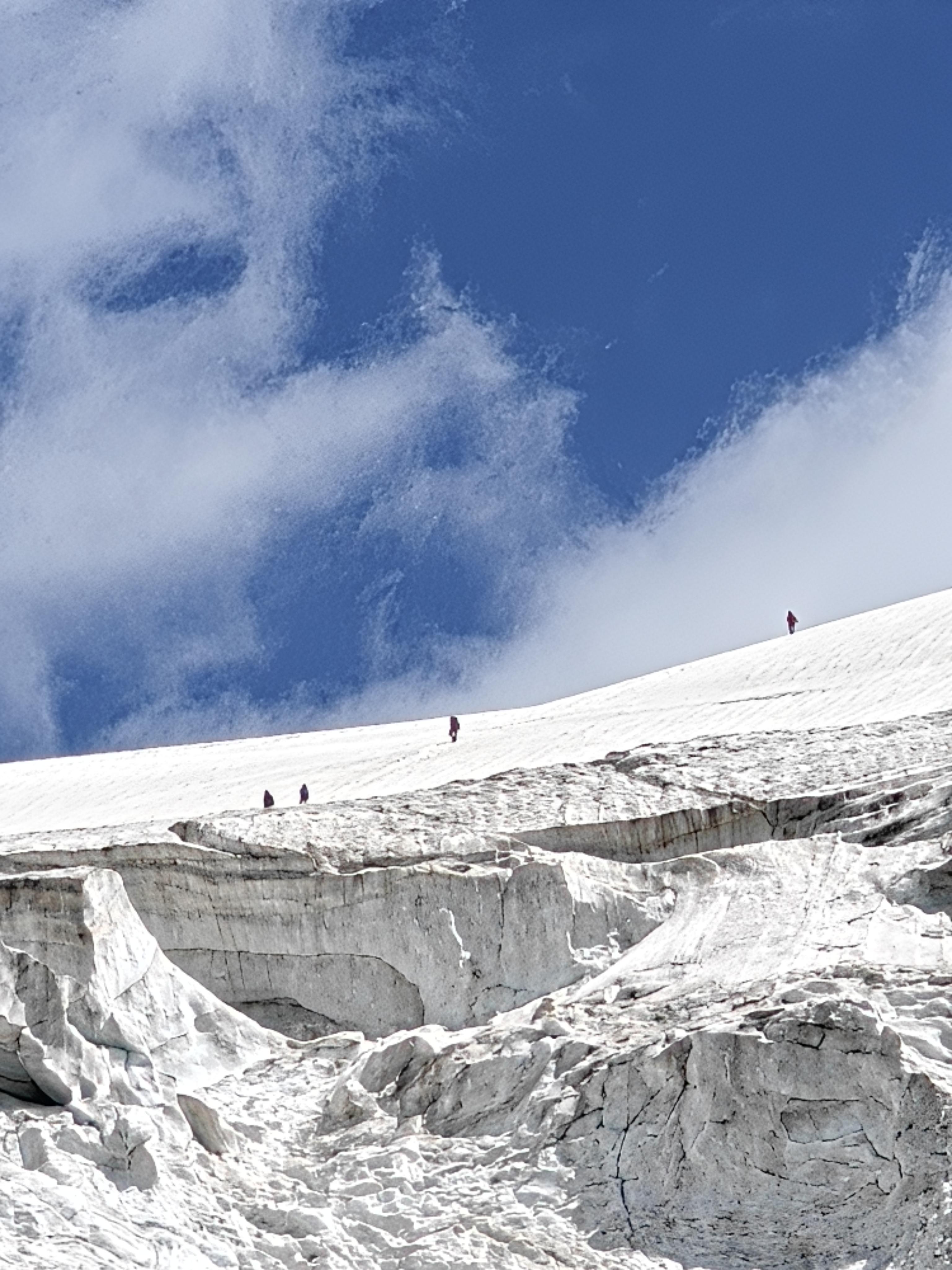
Moving from 6,000m to 7,000m peaks like Mt. Nun (7,135 m) or Mt. Satopanth (7,075 m) requires an operational upgrade. This is where commercial cut-rate operators struggle, as supply chain failures, guide fatigue, and poorly anchored fixed ropes can lead to disaster. • Rotational Load-Ferrying & Camp Setup: We do not rush you to high camps. We establish a structured rotation: ferrying supplies to Camp 1, returning to Base Camp to sleep, advancing to Camp 2 for acclimatization, and resting before the final summit push. • Pro-Grade Hardware: On high-angle faces (such as the 60° ice wall of Nun), our Sherpa and mountain leader teams fix dynamic and static ropes using certified snow pickets, deadmen, and ice screws—not worn-out leftover rope from previous seasons. • Nutrition at the Margin: Above 6,000 meters, your appetite collapses. Instant noodles and heavy lentils fail to digest. Frontpoint provides high-altitude nutrition plans: calorie-dense soups, electrolyte broths, easily digestible carbs, and warm hydration that preserves core energy. • Emergency Preparedness: On every 7,000m departure, we maintain satellite comms, emergency supplemental oxygen at the high camp, and direct coordination with regional rescue authorities for helicopter evacuation.
5. The Real Price of a "Cheap" Expedition
When comparing expedition operators, you will inevitably find budget agencies undercutting prices by 20% to 40%. In mountaineering, cut prices come from cut safety margins: 1. Underpaid, Uninsured Field Crews: Cheap operators pinch pennies by hiring inexperienced local porters without warm boots, adequate rations, or medical insurance. At Frontpoint, our mountain crew and high-altitude porters are salaried, insured, and equipped with the exact same standard of gear as our lead guides. 2. Crowded High Tents: Budget operators pack 3 to 4 climbers into 2-person tents at 5,500m to save porter loads, severely degrading sleep and recovery. 3. No Reserve Weather Days: To save on rations and staff wages, budget itineraries leave zero contingency days. If a storm hits on summit morning, the expedition is called off immediately. Frontpoint bakes contingency buffers into every high-altitude route.
The Summit is Optional; The Return is Mandatory
A peak does not check your resume, and it does not care how much you paid for your jacket. It only reflects the skill, patience, and preparation you bring to its slopes. Whether you are stepping onto the frozen, wind-scoured ridges of your first 6,000m peak or taking on the sheer ice faces of a 7,000m Himalayan giant, Frontpoint Adventures is built for those who value authentic mountain craft over cattle-trail tourism. We don't drag you to the summit—we train you, guide you, and watch your back every step of the way, until you stand on top under your own power. Ready to test your limits in the high Himalaya? Check out our upcoming 6000m & 7000m Expedition Departures or speak directly with an expedition leader today.