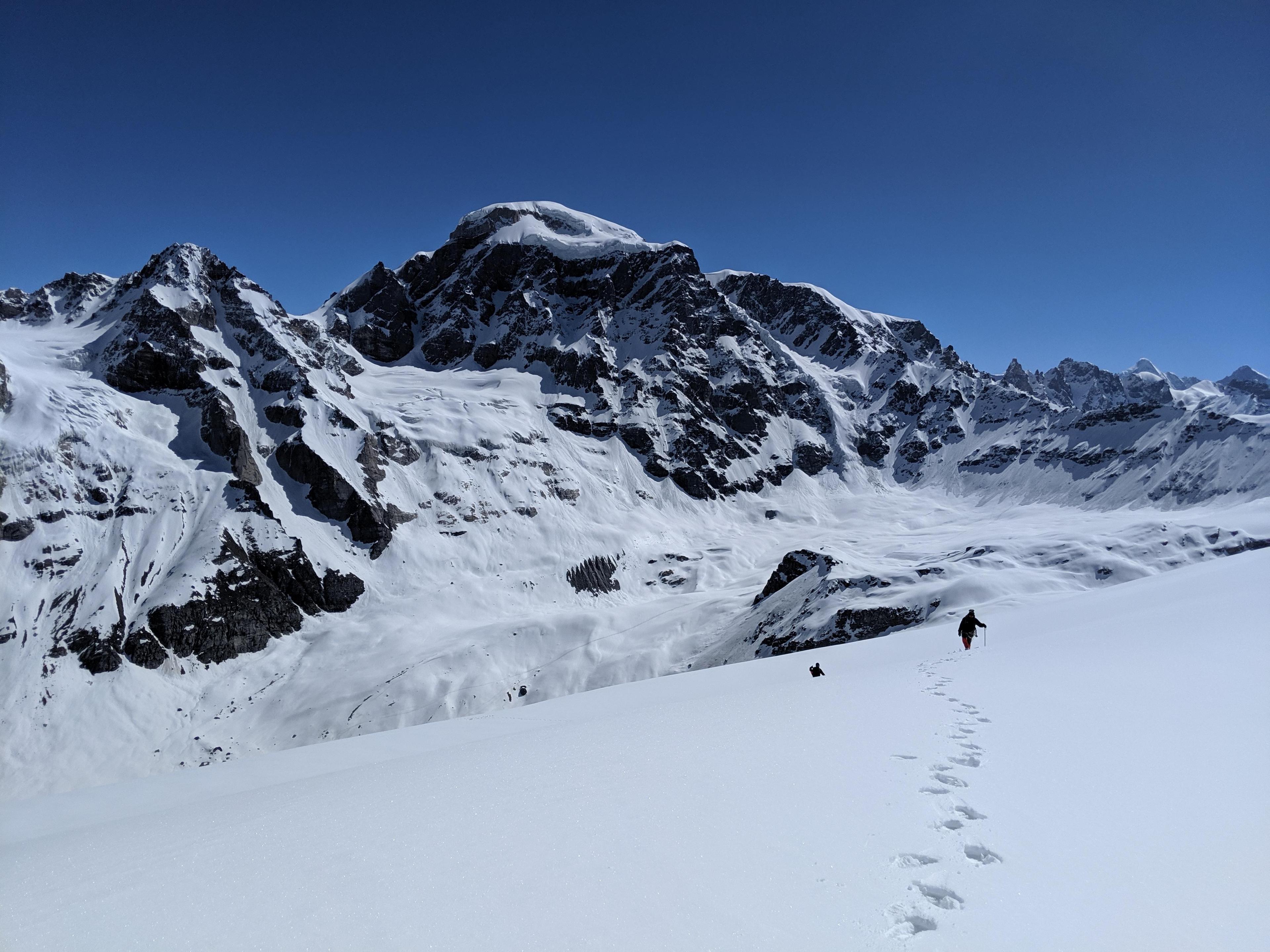
Smaller teams mean safer decisions, lighter footprints and a better trek for everyone. A short note on how we run our trips.
We cap our groups deliberately, and we get asked about it often enough that it is worth explaining. A smaller team is not just a nicer way to travel — though it is that too. It is a safer, lighter, and ultimately better way to move through high country.
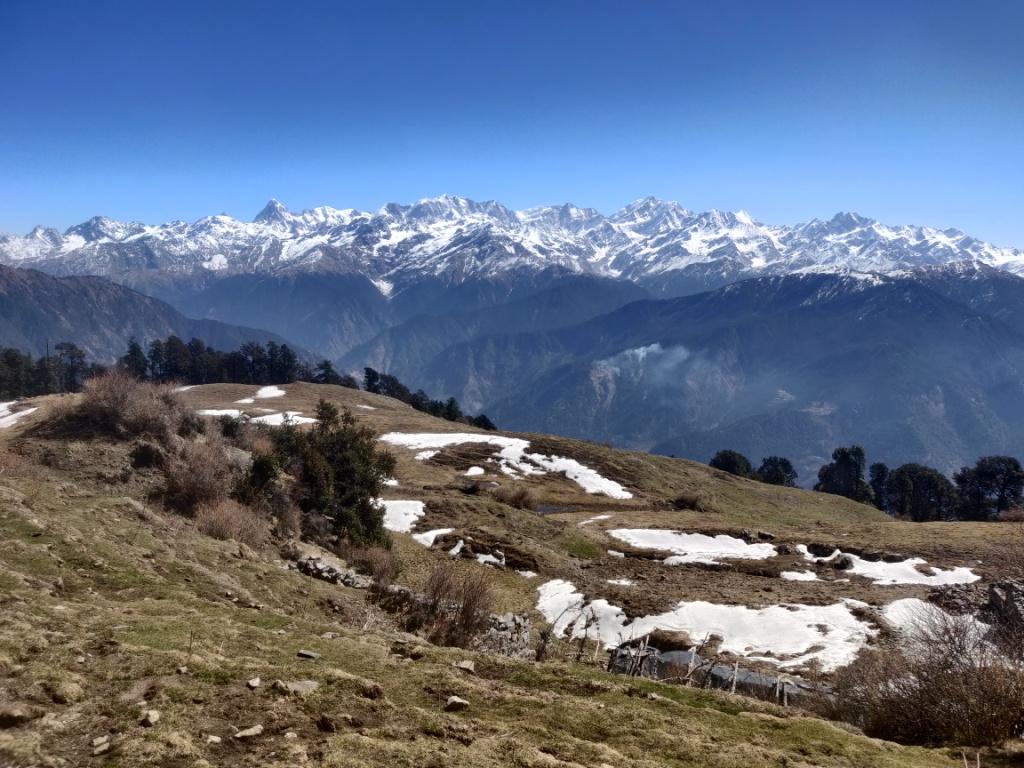
Safety is the first reason and the plainest one. At altitude, decisions have to be made on the strength of how each person is actually doing — their pace, their appetite, the look on their face at the third rest stop. With a small team our leaders can keep a real eye on everyone, catch the early signs of altitude sickness, and turn the whole group around calmly if one person needs to go down. In a crowd, people disappear.
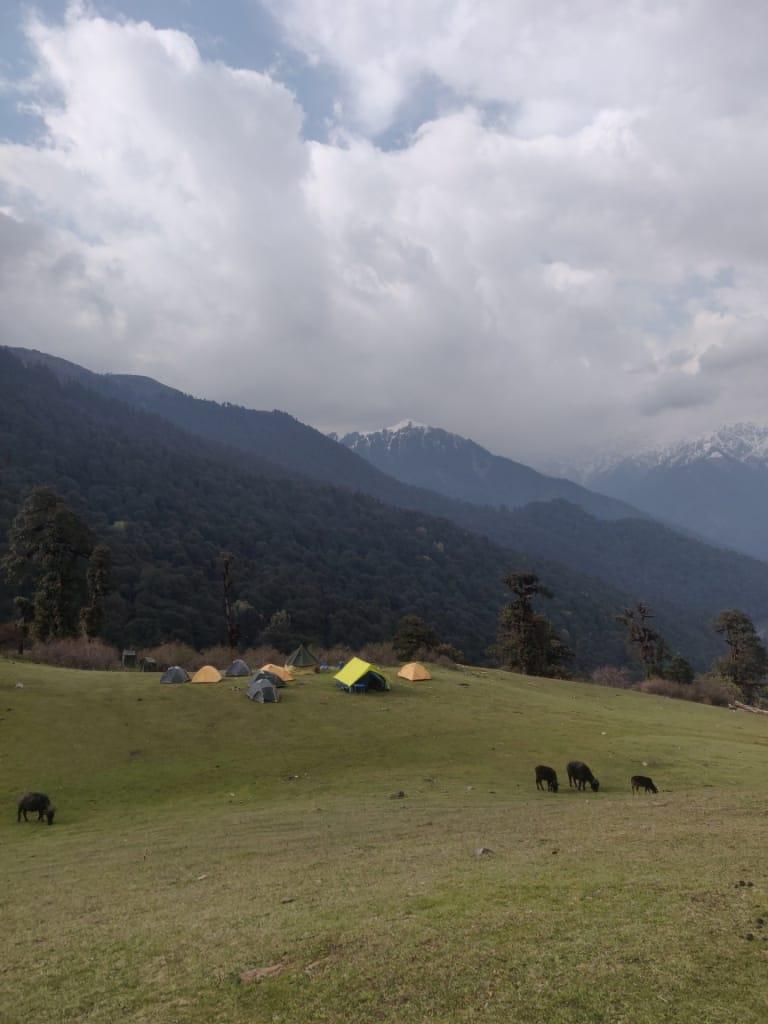
Lighter on the land
The second reason is the ground itself. Himalayan meadow campsites are fragile, and a big group leaves a big mark — trampled grass, overused water sources, more waste to carry out than anyone wants to think about. A smaller team treads more lightly, and can actually stick to the leave-no-trace habits that keep these places worth returning to.
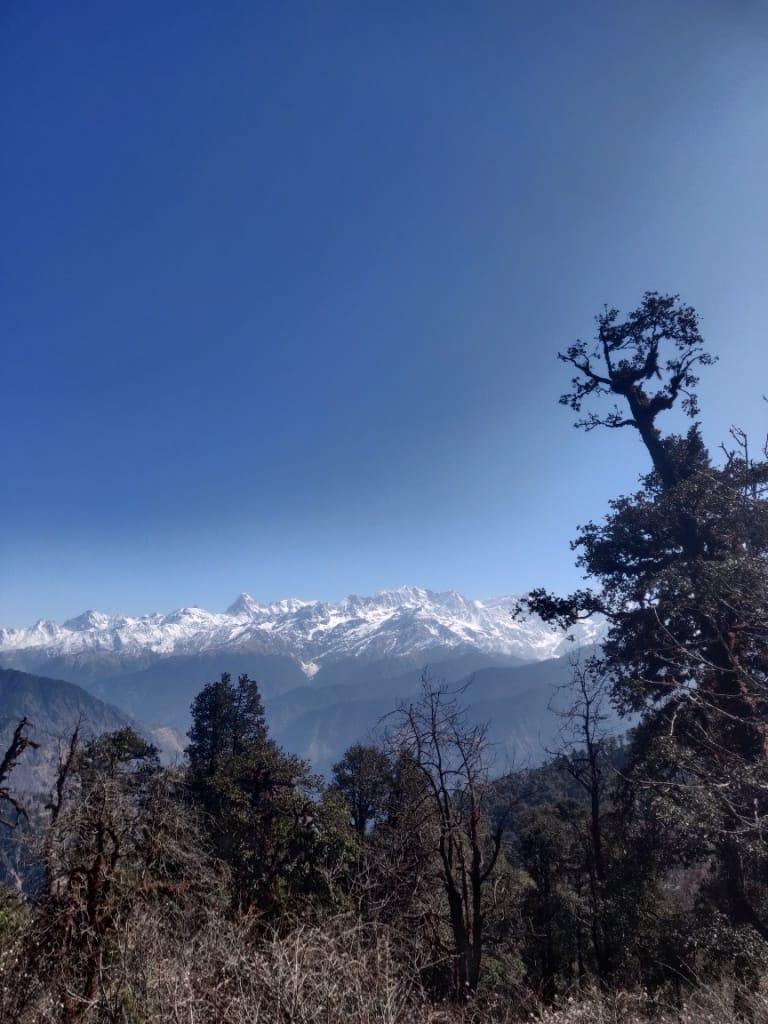
And then, simply, it makes for a better week. Decisions get made faster. Meals feel like a table of friends rather than a canteen queue. The mountains stay quiet — which is, after all, most of the reason any of us goes up into them in the first place.